A City Rich in Opportunity. Why Are So Many of Our Children Being Left Behind?
Boston is a city synonymous with education, innovation, and opportunity. Home to some of the world's most prestigious universities, leading research institutions, and thriving technology and life sciences industries, we pride ourselves on being a global center of knowledge and discovery.
Yet behind that reputation lies a troubling reality.
According to 2026 Massachusetts Department of Elementary and Secondary Education data highlighted by Next Chapter Boston, approximately seven out of ten Boston Public Schools students in grades three through eight are not meeting grade-level expectations in English language arts or mathematics.
Seven out of ten.
And the challenges are even more pronounced among certain student populations. The same assessment data shows that just 18% of Black students in grades three through eight met or exceeded expectations in English language arts, while only 15% did so in mathematics. Students from low-income households, Latino students, English learners, and students with disabilities also experienced substantial academic disparities.
These numbers represent real children sitting in classrooms across our city, whose futures may be shaped by challenges we have yet to adequately address.
While standardized assessments don't capture the full measure of a student's intelligence, abilities, or potential, these results should deeply concern anyone invested in the future of our communities.
We cannot continue to celebrate Boston's extraordinary educational institutions while accepting that so many children growing up alongside them are struggling to meet fundamental academic expectations.
For Me, This Is Personal
I grew up in Boston. I attended the William Monroe Trotter Elementary School before transitioning into the Brookline Public Schools through the METCO program in sixth grade.
As someone whose educational journey began in Boston's public schools, I find these results particularly disheartening.
Raised by a single mother, I benefited from after-school programs, community organizations, church groups, and people who invested in my development. These experiences encouraged my curiosity, introduced me to new interests, and helped me recognize opportunities I might not otherwise have imagined.
They shaped my academic and professional journey and reinforced something I continue to believe: education has the power to transform lives, strengthen families, and create generational opportunity.
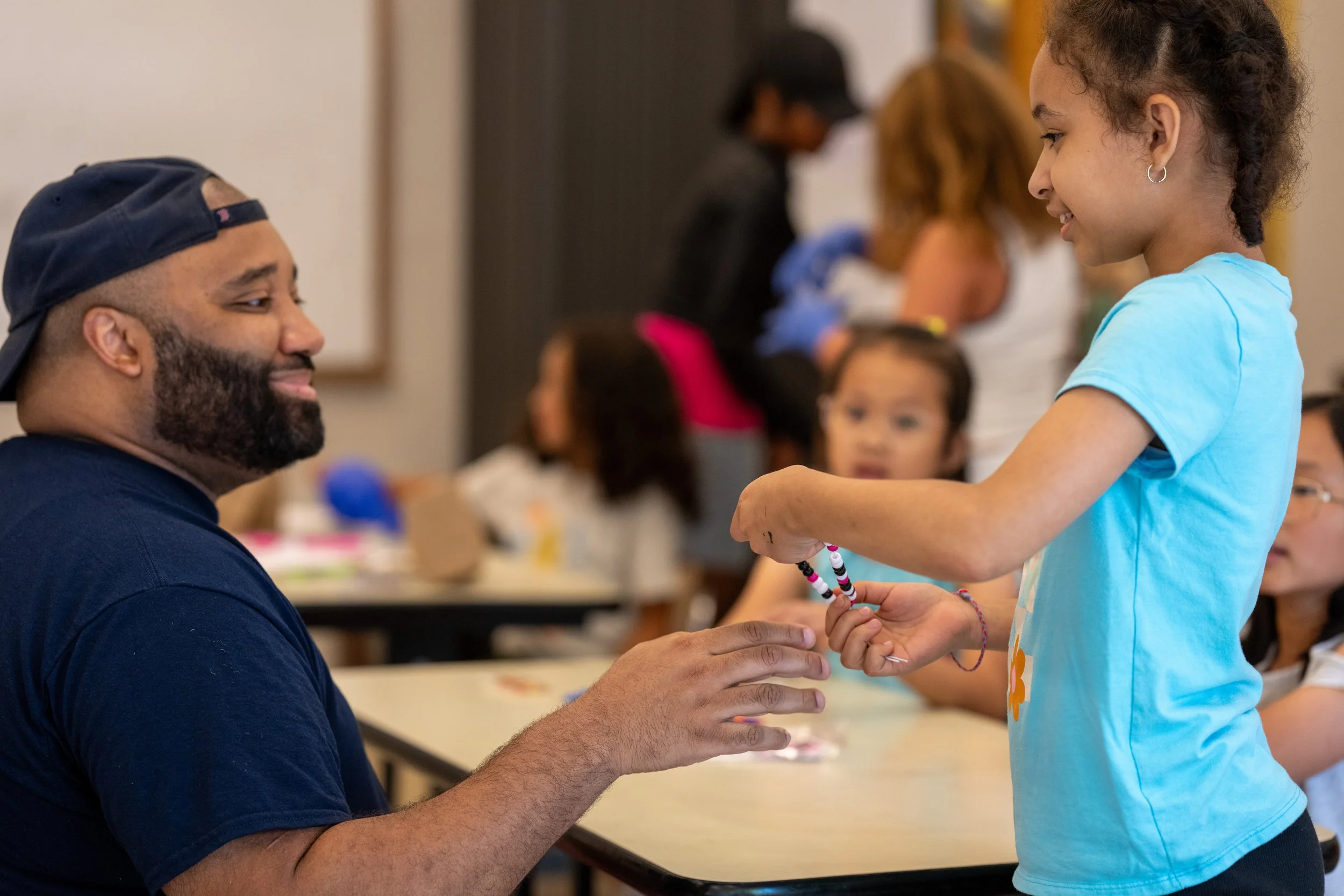
My co-founder, Loren Paul, and I established STEAM Ahead in 2018 because we shared that belief. Our experiences in STEAM education and community service showed us what meaningful educational opportunities could make possible, and we wanted to extend those possibilities to other young people.
Years later, that conviction has only grown stronger.
When I see these statistics, I think about children growing up in neighborhoods like the ones that raised me. I think about families working to create better futures for their children and educators navigating increasingly complex challenges.
“Most of all, I think about the opportunities that may never materialize if we don’t respond with the urgency this moment demands.”
A National Crisis We Cannot Afford to Normalize
While Boston provides a striking example, this challenge extends far beyond Massachusetts.
According to the 2024 National Assessment of Educational Progress, commonly known as the Nation's Report Card, 69% of fourth-grade students nationwide performed below the NAEP Proficient benchmark in reading, while 72% of eighth-grade students fell below that benchmark in mathematics.
Although these national assessments use different performance standards from Massachusetts, the findings underscore the widespread academic challenges facing young people across the country.
The pandemic intensified educational disruptions, but many underlying inequities existed long before COVID-19. Unequal access to academic support, enrichment opportunities, and stable learning environments has shaped students' experiences for generations.
And when academic gaps persist, the consequences can extend far beyond the classroom.
A landmark study by the Annie E. Casey Foundation found that children who were not reading proficiently by the end of third grade were four times more likely to fail to graduate from high school on time than their proficient peers.
Think about what that means. Academic challenges that emerge in elementary school can be associated with outcomes that shape a young person's opportunities years later.
And there is evidence that these challenges can persist without timely, effective support.
Research examining early literacy performance in Massachusetts found that most students identified as significantly below reading benchmarks continued to face those challenges one and two years later, with the persistence of these gaps increasing in higher grades.
The message is difficult to ignore: when students fall behind early, we cannot assume that time alone will help them catch up.
This is one reason early intervention and sustained learning opportunities are so important, including during the summer months.
For students already struggling academically, extended breaks from structured learning can create additional challenges, particularly when access to educational enrichment and academic support varies considerably between families.
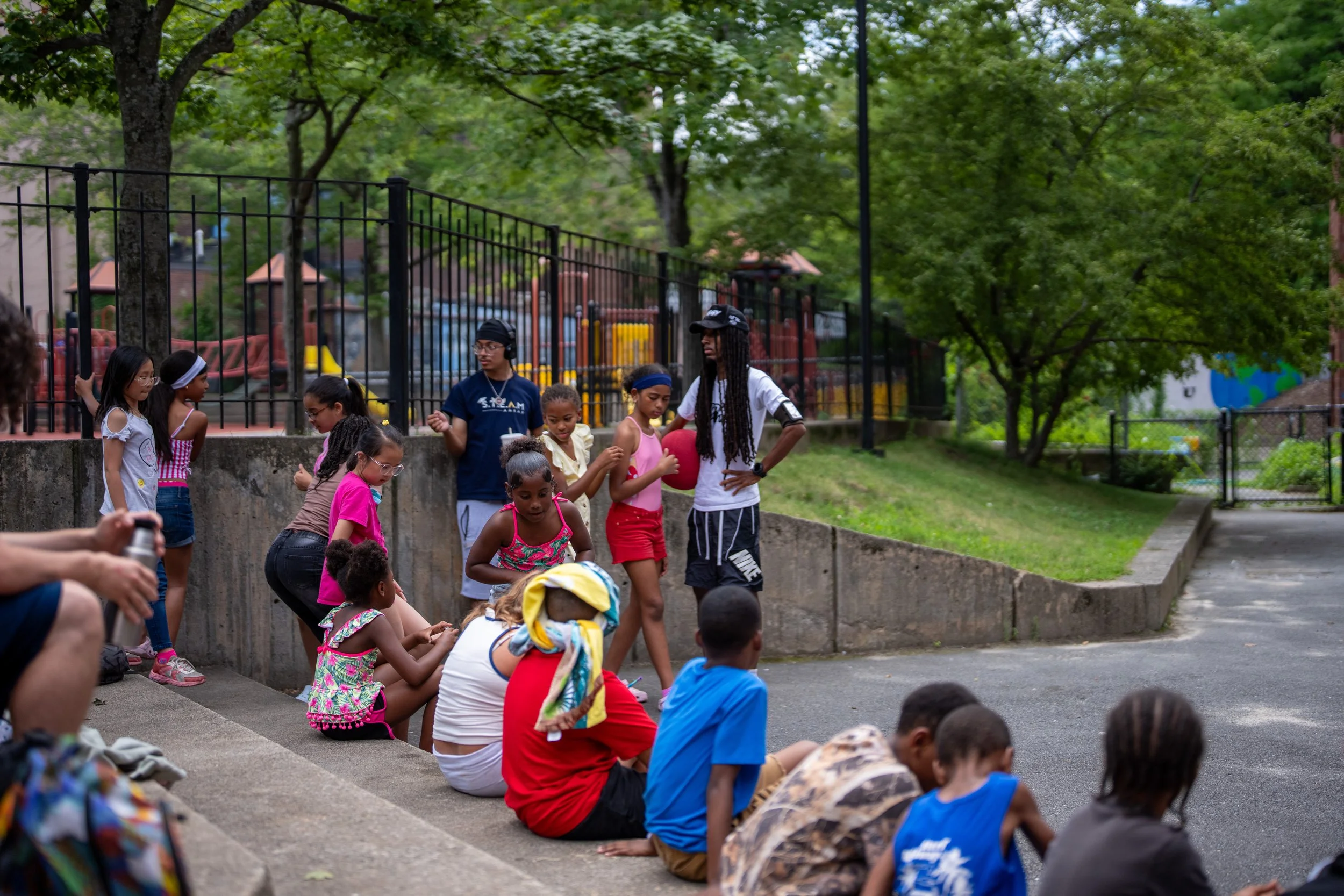
Research on high-quality summer learning programs has demonstrated that consistent participation can produce meaningful academic benefits in reading and mathematics. Summer can be more than a break in the school calendar; it can be an opportunity to reinforce foundational skills, rebuild confidence, and introduce young people to experiences that make learning engaging and relevant.
These findings don't mean a child's future is predetermined by an early assessment. They reinforce why timely intervention, consistent academic support, and meaningful opportunities to learn and grow matter so much.
We cannot allow persistent educational disparities to become so familiar that we begin treating them as inevitable.
These outcomes are not a reflection of our children's potential. They are a call to examine whether we're providing the support and opportunities necessary for that potential to flourish.
Educational Equity Requires More Than Access
Through our work at STEAM Ahead, we've learned that meaningful educational opportunity requires more than a single program or intervention.
Strong foundational instruction in literacy and mathematics is essential. But young people also need opportunities to apply what they learn through hands-on experiences, explore their interests, develop confidence, and discover how their education connects to the world around them.
We must invest in both academic foundations and meaningful experiential learning that reinforces classroom instruction and prepares young people for future success.
That holistic belief has shaped our approach, from introducing younger students to STEAM through hands-on exploration to creating opportunities for high school students to engage in engineering research, mentorship, leadership development, and career exploration.
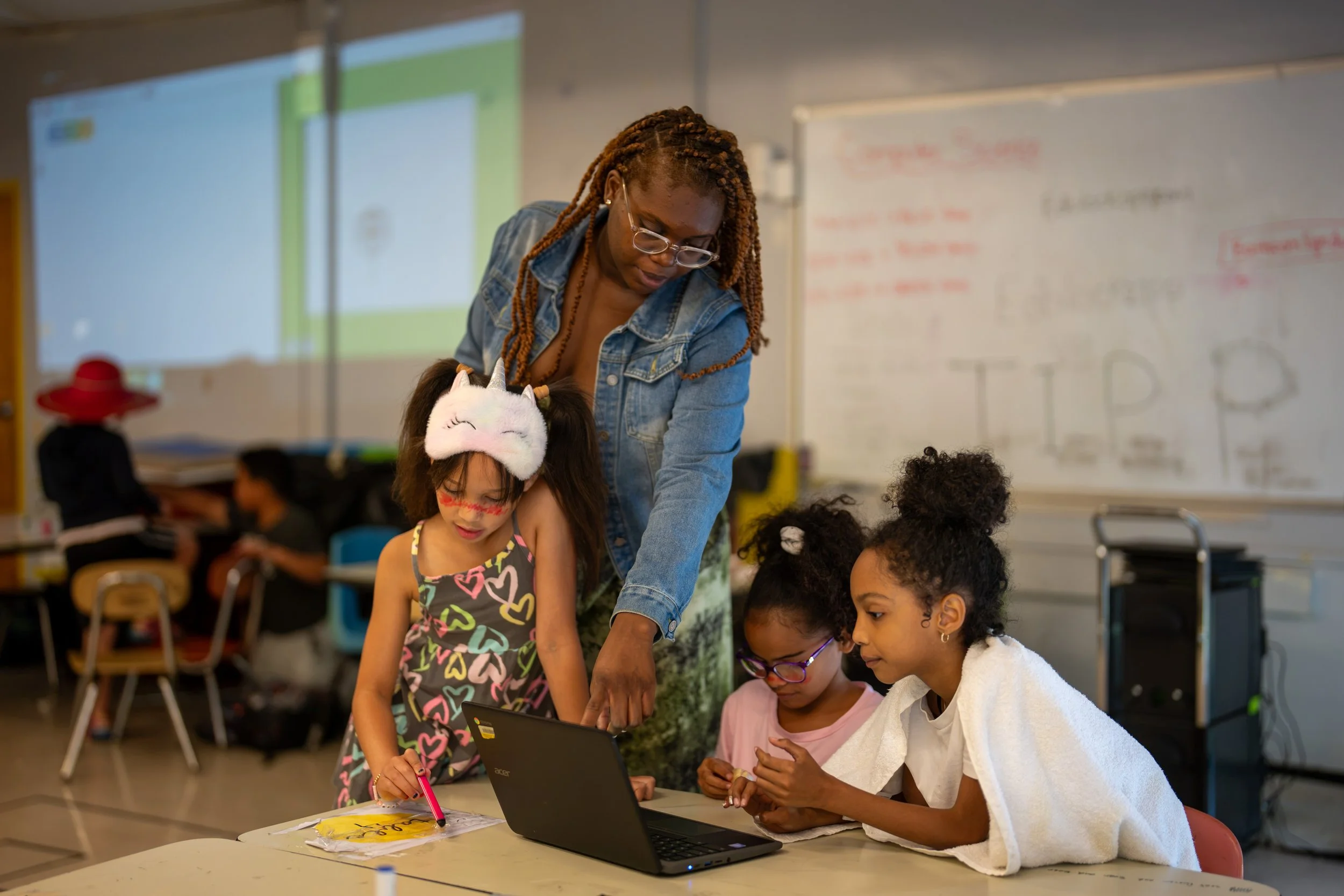
It's also central to the thinking behind our Summer Learning Academy, which combines academic support with engaging STEAM experiences. Our goal is to make summer a time when young people can strengthen foundational skills while continuing to explore, discover, and build enthusiasm for learning.
Through partnerships with Boston College, MIT, Wentworth Institute of Technology, Waters Corporation, Analog Devices, among others, we've connected young people with university laboratories, research environments, industry professionals, and experiences that might otherwise feel distant or inaccessible.
These opportunities can change how students see their futures.
A student who has never met an engineer may struggle to imagine becoming one. A young person who has never stepped inside a university laboratory may not recognize the possibilities that exist within those spaces.
But opening doors is only part of the work. Young people also need the preparation, encouragement, relationships, and ongoing support to walk through them with confidence.
That's why our approach extends beyond STEAM instruction to include social-emotional development, mentorship, leadership, and community engagement. These experiences complement strong classroom instruction while helping young people build the skills and confidence to pursue their aspirations.
Educational equity should never require choosing between helping children develop foundational academic skills and giving them access to extraordinary educational experiences. Every child deserves both.
Extraordinary Resources. A Shared Responsibility.
Boston's educational challenges are particularly difficult to reconcile with the extraordinary resources surrounding us.
Our universities educate future leaders from around the world. Our research institutions generate discoveries that transform industries. Our businesses compete globally for talent, while our hospitals and technology companies help shape the future of medicine and innovation.
Yet just miles away from these institutions, thousands of children are struggling to meet fundamental academic expectations.
We have to ask ourselves: Are we doing enough to connect the resources within our communities to the young people who need them?
This isn't about placing blame on teachers or expecting schools to solve every challenge independently. Educators and school leaders are essential partners, often navigating complex academic, social, and economic realities that extend well beyond the classroom.
Nor is it simply about spending more money.
Resources matter, but so do how we deploy them, when we intervene, and whether our investments are producing meaningful improvements.
Universities, corporations, philanthropic institutions, community organizations, policymakers, and families all have roles to play. We need stronger partnerships, earlier intervention, sustained investment, and greater accountability for the outcomes we're working to achieve.
The scale of this challenge demands a response equal to its urgency.
What Role Are You Willing to Play?
Although my perspective is grounded in Boston, these challenges belong to communities across the country.
Whether you're reading this from Boston, another major city, a suburb, or a rural community, I encourage you to consider what educational opportunity looks like for young people where you live.
Are children receiving the academic support they need? Do they have opportunities to explore their interests, develop new skills, and connect with people who can help them pursue their goals? And are we doing enough to support the educators, families, and organizations working on their behalf?
For those of us in positions to help, there are meaningful ways to make a difference.
Businesses can share their expertise and create opportunities for mentorship and career exploration. Universities can make their resources and learning environments more accessible. Individuals can volunteer, advocate for stronger educational support, and invest in organizations working to expand opportunity.
At STEAM Ahead, we're committed to doing our part by strengthening partnerships, creating meaningful educational experiences, and supporting young people as they discover their potential.
But no single organization, city, or school district can solve these challenges alone.
We need a shared commitment to ensuring that a child's opportunities aren't determined by their ZIP code, family income, or access to the right connections.
So whether you choose to mentor a young person, support a local school, open your organization's doors to students, advocate for educational investment, or contribute financially to organizations doing this work, I encourage you to act—and to remain engaged.
Because the future of education isn't shaped by what happens in classrooms alone. It's shaped by the priorities we establish, the opportunities we create, and the investments we're willing to make in the next generation.
Our young people cannot afford for us to remain comfortable with the status quo.
And neither can we.
The opportunity to change these outcomes exists. The responsibility to act belongs to all of us.