
Mythbuster: Do Bulls Hate the Color Red?
You’ve seen it a hundred times in movies and cartoons. A brave, or perhaps foolish, matador waves a vibrant red cape, and an enraged bull charges, nostrils flaring and hooves thundering. The image is iconic, so deeply ingrained in our culture that it seems like a fundamental truth: Bulls are infuriated by the color red.
But is this just another piece of common folklore? Let's bust this myth and find out what really makes a bull see red.
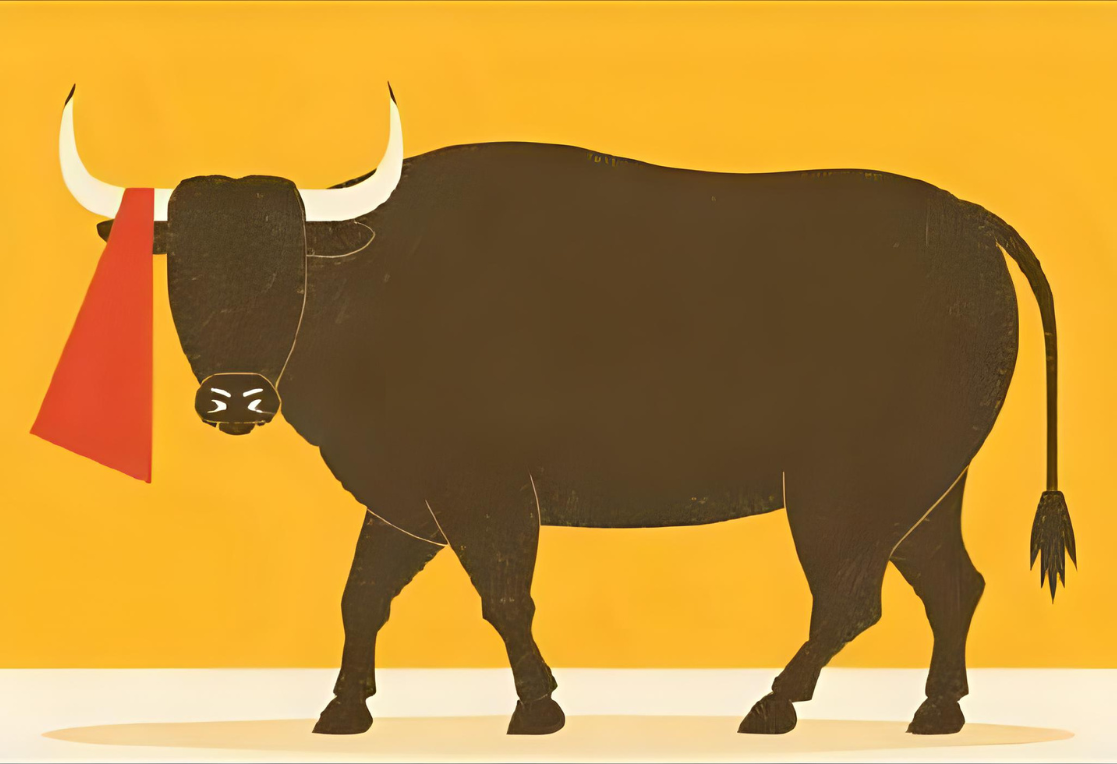
The Truth: Bulls Are Colorblind to Red
Hold your horses—or in this case, your bulls. The simple, scientific truth is that bulls, like most other bovines, are dichromats. This means they only have two types of color-detecting cone cells in their eyes, whereas humans have three. The colors they can see are limited to a range of blues and yellows. They simply cannot perceive the color red at all.
So, if they can't see the color, what exactly are they reacting to during a bullfight? It's not the hue of the cape, but the movement of it.
So, What's Making Them Charge?
During a bullfight, the matador uses a cape called a muleta. The matador’s skillful use of the cape isn't to taunt the bull with its color, but to direct its charge with its movement. The bull, with its poor eyesight, is drawn to the flapping, fluttering, and waving motion of the cape. It's the swift, unpredictable motion that catches the bull's attention and triggers its instinct to charge.
Think about it: A bull would likely react the same way to a black, white, or even green cape if it were being moved in the same aggressive and provocative manner. The color red was chosen for the muleta not to enrage the bull, but for a much more practical and human-centric reason. Both the bull’s and any potential injuries to the matador would be less visible on a red fabric, making the spectacle more visually palatable for the audience.
The Science Behind the Myth
The myth has been so pervasive that several scientific studies and TV shows, including a famous segment on the original MythBusters show, have put it to the test. In one such experiment, they placed three different flags—one red, one white, and one blue—and waved them in front of a bull. The bull charged the flag that was moved the most, regardless of its color. When a stationary person was put in a red outfit in an arena with a bull, the animal showed no interest until the person began to move. The evidence is clear: Movement, not color, is the key trigger.
This reaction is deeply rooted in the bull's nature. Bulls are naturally defensive and territorial animals. Any sudden or aggressive movement, especially something large and flapping, can be perceived as a threat. Their charge is a defensive response to what they see as a potential danger invading their space.
The idea that bulls have a fiery temper specifically for the color red is just another example of how an appealing, dramatic narrative can take precedence over simple biological fact. The truth is far less theatrical but a lot more interesting. It teaches us about animal physiology and the sensory world of a different species.
So, the next time you see a scene of a matador and a bull, remember this article. The bull isn't seeing red; it’s simply seeing red flags of a different kind—those of a large object flapping menacingly in its direction.
Bottom Line
The notion that bulls are enraged by the color red is a classic myth. Bulls are colorblind to red, and their aggressive behavior is triggered by the movement of the cape, not its color. The vibrant red hue of the matador’s cape serves the purpose of concealing blood from the audience, not inciting the animal. The charge is a natural, defensive reaction to a perceived threat, proving once again that a little scientific understanding can clear up a lot of old-fashioned misconceptions.
Did you miss our previous MythBuster? Check out Mythbuster: Cracking Your Knuckles Cause Arthritis. And stay tuned, next month we’ll bust another common myth you might still believe!