
Icons of Creativity: Hispanic Artists Who Shaped the Art World
Have you ever looked at a building that seems to defy gravity, a painting that feels like a dream, or a portrait so honest it tells a whole life story? Art is all around us, and it’s a powerful way to express ideas, feelings, and new ways of seeing the world. The "A" in STEAM (Science, Technology, Engineering, Art, and Math) is a crucial ingredient for innovation. Art is where creativity, problem-solving, and technical skill come together.
Let's explore five incredible Hispanic artists who used their imaginations to change art forever. They weren't just "painters" or "builders"; they were innovators, thinkers, and creative problem-solvers, just like the best scientists and engineers.
1. Antoni Gaudí (Spain)
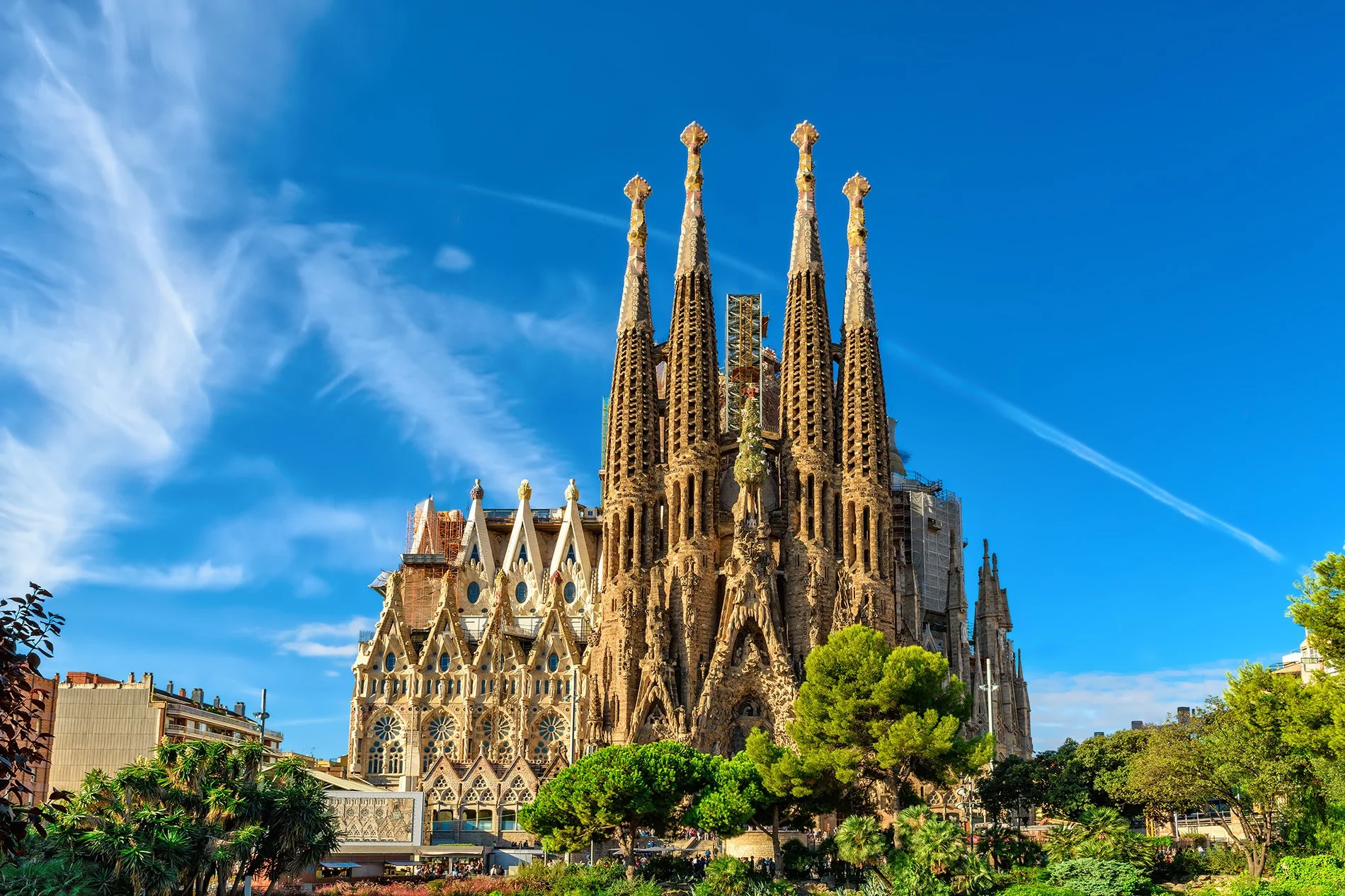
Photo Source: Valery Egorov
What if buildings looked less like boxes and more like forests or caves? Antoni Gaudí was an architect who did just that. He is famous for his fantastical, colorful, and organic buildings in Barcelona, like the famous church, La Sagrada Família.
His work is a masterclass in Engineering and Science. Gaudí was a master of biomimicry, using nature’s designs to solve human problems. He studied animal skeletons and plant structures to create his arches. To figure out the most stable way to build, he hung chains with weights on them, creating natural curves called "catenary arches." He then flipped that shape upside down for his designs, using physics to create structures of breathtaking beauty and strength.
2. Diego Velázquez (Spain)

Photo Source: Wikipedia
Long before cameras, Diego Velázquez was a master of making a flat canvas look like a 3D room you could walk into. He was the official painter for the Spanish king over 350 years ago, and his work changed art forever.
His STEAM connection is all about Science and Math. He was an expert in the physics of light (optics), understanding exactly how light bounces off different textures, like velvet, metal, or skin, to make them look real. His most famous painting, Las Meninas, is a complex visual puzzle. It uses precise mathematical perspective to make you, the viewer, part of the scene. Art historians and scientists still study it to figure out its "visual tricks."
3. Carlos Cruz-Diez (Venezuela)

Photo Source: TheArtPressAsia ©Adagp
Is color a solid thing, or is it an event that happens in your eyes? Carlos Cruz-Diez was an artist who spent his life exploring this question. He was a leader in Op Art (Optical Art) and Kinetic Art, which is art that seems to move.
He wasn't just a painter; he was a researcher. His art is a direct result of scientific experiments with how the human eye and brain perceive color. He engineered artworks that change depending on where you stand or as you walk past them. He created "chromatic environments" where you feel like you are walking inside of pure light. His work is a perfect fusion of Art, Physics, and Psychology.
4. Remedios Varo (Spain/Mexico)

Photo Source: mfa.org
A true STEAM icon, Remedios Varo fled Europe and settled in Mexico, where she created magical, mysterious worlds. Her father was a hydraulic engineer, and his lessons in technical drawing and science deeply influenced her art.
Her paintings look like scenes from a fantasy novel, but they are filled with scientific and engineering details. You'll see strange, intricate machines, characters practicing alchemy (an early form of chemistry), and figures exploring astronomy and physics. Varo’s art is a perfect example of how science, fantasy, and artistic skill can combine to create something completely new and wondrous.
5. Santiago Calatrava (Spain)
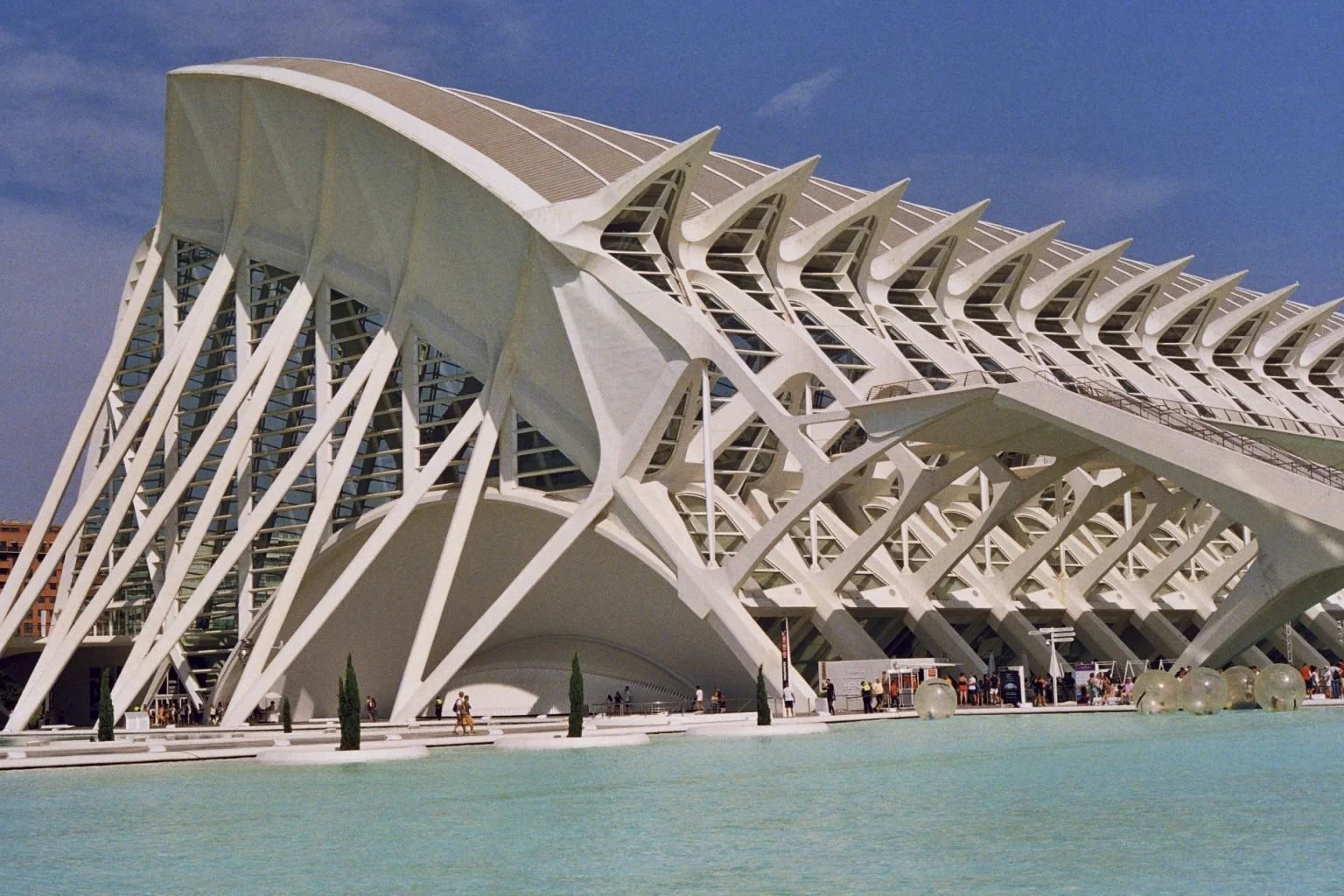
Photo Source: Anthony Saroufim
What happens when you combine 'E' for Engineering and 'A' for Art? You get Santiago Calatrava. He is an architect, engineer, and sculptor who designs breathtaking, futuristic buildings that often look like living things.
His structures, like the "City of Arts and Sciences" in Valencia, Spain, or the "Oculus" transportation hub in New York City, use complex mathematics and engineering principles to create flowing, skeleton-like shapes. They look like giant white birds, eyes, or ribbed fossils. Calatrava proves that the most functional buildings can also be the world's biggest and most beautiful sculptures.
To learn more about STEAM Ahead, visit us at www.westeamahead.org