
Beyond the Buzzword: What is the Internet of Things (IoT)?
The phrase Internet of Things (IoT) appears everywhere in technology conversations. It shows up in classrooms, news headlines, and marketing campaigns. But beyond the buzzword, what does IoT actually mean?
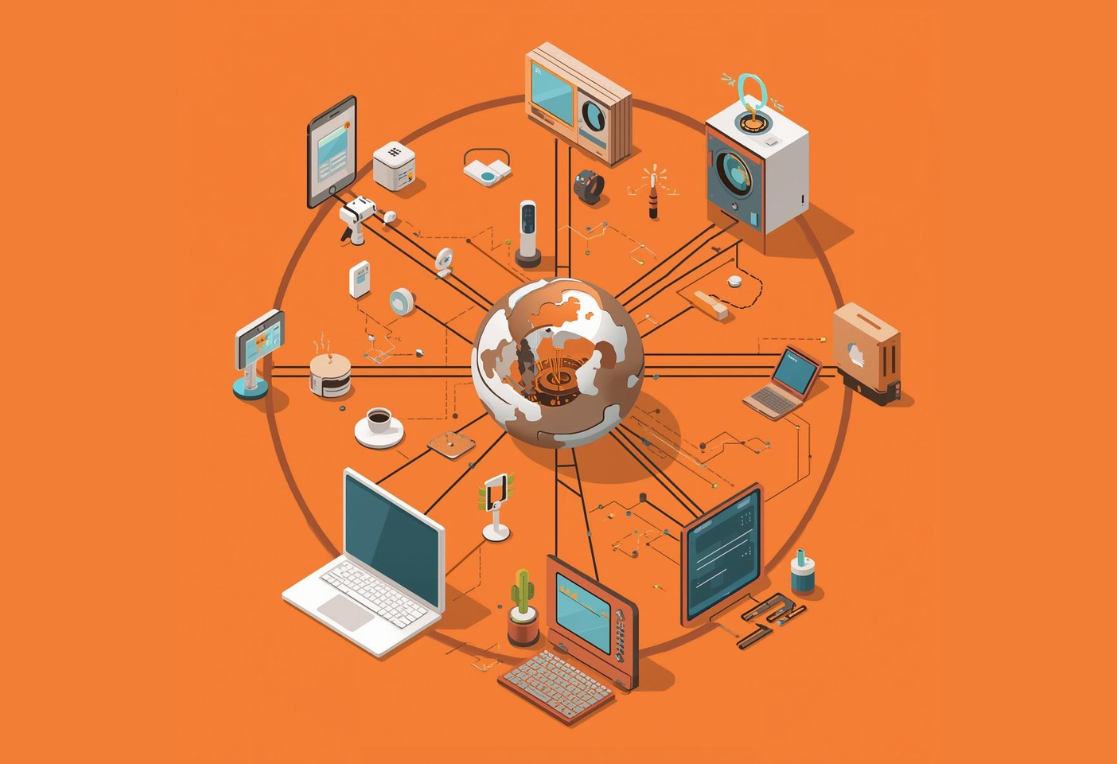
In simple terms, the Internet of Things refers to everyday objects that are connected to the internet and can share data. These objects contain sensors, software, and network connections. Together, these features allow devices to collect information, communicate with other systems, and respond automatically.
IoT expands the internet beyond computers and smartphones. It brings connectivity to physical objects in the real world.
How IoT Works
Most IoT systems follow a simple process. First, sensors collect data from the environment. This could include temperature, movement, light, or location.
Next, the device sends this data through a network connection. Wi-Fi, Bluetooth, or cellular networks often handle this communication.
Finally, software analyzes the data. The system may store it, display it on a dashboard, or trigger an automated action.
For example, a smart thermostat measures room temperature. It sends that information to an app or cloud platform. If the temperature drops too low, the system automatically turns on the heating.
This cycle of sensing, communicating, and responding is the core of IoT technology.
Everyday Examples of IoT
IoT devices already surround us. Many homes now use smart speakers, connected doorbells, or lighting systems that respond to voice commands.
Wearable devices also rely on IoT. Fitness trackers collect data about heart rate, sleep, and physical activity. They sync this information to smartphones where users can monitor their health.
Cities also benefit from IoT systems. Smart traffic lights adjust timing based on traffic flow. Environmental sensors track air quality and pollution levels. Connected infrastructure helps cities operate more efficiently.
These examples show how IoT blends digital technology with the physical world.
Why IoT Matters for STEAM Education
IoT offers powerful learning opportunities in STEAM classrooms. It combines science, technology, engineering, art, and mathematics in hands-on projects.
Students can build simple IoT prototypes using microcontrollers and sensors. For instance, they might design a smart plant watering system. Soil sensors measure moisture levels. When the soil becomes dry, a small pump automatically waters the plant.
Projects like this teach coding, electronics, and data analysis. They also encourage design thinking and problem solving.
IoT also introduces students to real-world engineering challenges. These include device security, energy efficiency, and data privacy.
By exploring IoT, students see how digital systems interact with the physical world.
Looking Ahead
The Internet of Things continues to grow rapidly. Experts estimate that billions of devices will be connected in the coming years. Industries such as healthcare, agriculture, manufacturing, and transportation are already adopting IoT solutions.
For educators, this trend creates an opportunity. Teaching IoT concepts helps students understand the technology shaping modern life.
More importantly, it empowers them to design the connected systems of the future.
IoT may sound like a buzzword. But at its core, it represents a simple idea: everyday objects that can sense, communicate, and act intelligently.
And for STEAM learners, that idea opens the door to endless innovation.
To learn more about STEAM Ahead, visit us at www.westeamahead.org