
Sustainability Goals: A Student’s Guide to Building a Greener Future
Climate change, pollution, and resource depletion are some of the biggest challenges facing our planet today. But there’s good news: people around the world are working together to solve these problems through sustainability goals. If you’re a student, you might be wondering: what exactly are sustainability goals, and why should you care?
Let’s break it down.
What Are Sustainability Goals?
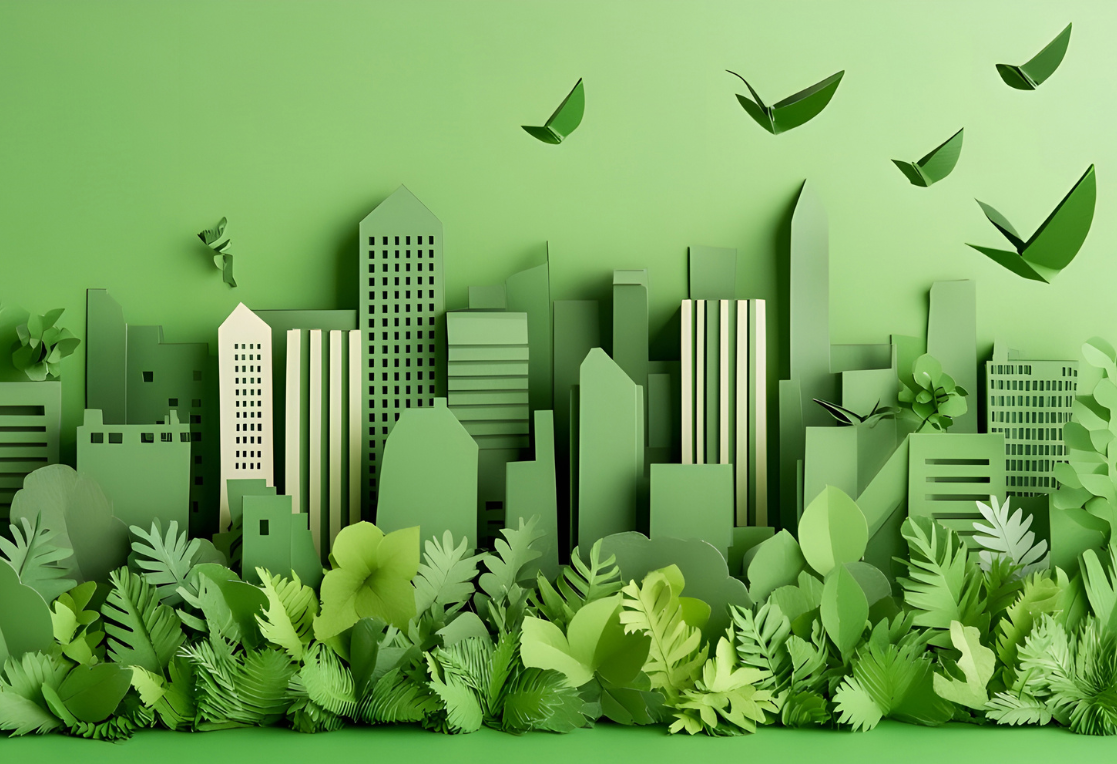
Sustainability goals are targets set to protect the environment, improve quality of life, and ensure that future generations can thrive. These goals focus on balancing three main areas:
Environmental protection (like reducing pollution and conserving ecosystems)
Economic growth (creating jobs and innovation)
Social well-being (ensuring fairness and access to resources)
One of the most important global efforts is the set of 17 Sustainable Development Goals (SDGs), created by the United Nations. These include goals like clean water, affordable energy, climate action, and responsible consumption.
Why Sustainability Matters
Imagine a world where clean water is scarce, forests are disappearing, and extreme weather is common. Without sustainability efforts, that future becomes more likely.
Here’s why sustainability is so important:
Protecting natural resources: Earth has limited resources like fresh water, fossil fuels, and forests. Using them responsibly ensures they last longer.
Fighting climate change: Reducing greenhouse gas emissions helps slow global warming.
Improving health: Cleaner air and water lead to healthier communities.
Creating opportunities: Sustainable industries can create new jobs and technologies.
In short, sustainability is about making smart choices today so the future isn’t compromised.
Key Sustainability Goals You Should Know
While all sustainability goals are important, a few are especially relevant to students:
1. Climate Action
This goal focuses on reducing carbon emissions and limiting global warming. Actions include using renewable energy, reducing waste, and conserving energy.
2. Clean Water and Sanitation
Access to safe drinking water is essential for life. Sustainability efforts aim to protect water sources and reduce pollution.
3. Affordable and Clean Energy
Switching from fossil fuels to renewable energy sources like solar and wind power helps reduce environmental damage.
4. Responsible Consumption and Production
This goal encourages reducing waste, recycling, and making eco-friendly choices in everyday life.
5. Life on Land and Below Water
Protecting ecosystems, forests, and oceans ensures biodiversity and the survival of many species, including humans.
The Science Behind Sustainability
Sustainability is grounded in scientific principles that explain how our actions affect the planet.
For example, when we burn fossil fuels like coal and oil, carbon dioxide (CO₂) is released into the atmosphere. This gas traps heat, leading to the greenhouse effect, which causes global temperatures to rise.
Similarly, plastic waste doesn’t decompose easily. Instead, it breaks down into microplastics that can harm wildlife and even enter our food chain.
Understanding these scientific processes helps us make better decisions and develop innovative solutions.
How Students Can Make a Difference
You don’t have to be a scientist or politician to contribute to sustainability. Small actions can have a big impact, especially when many people work together.
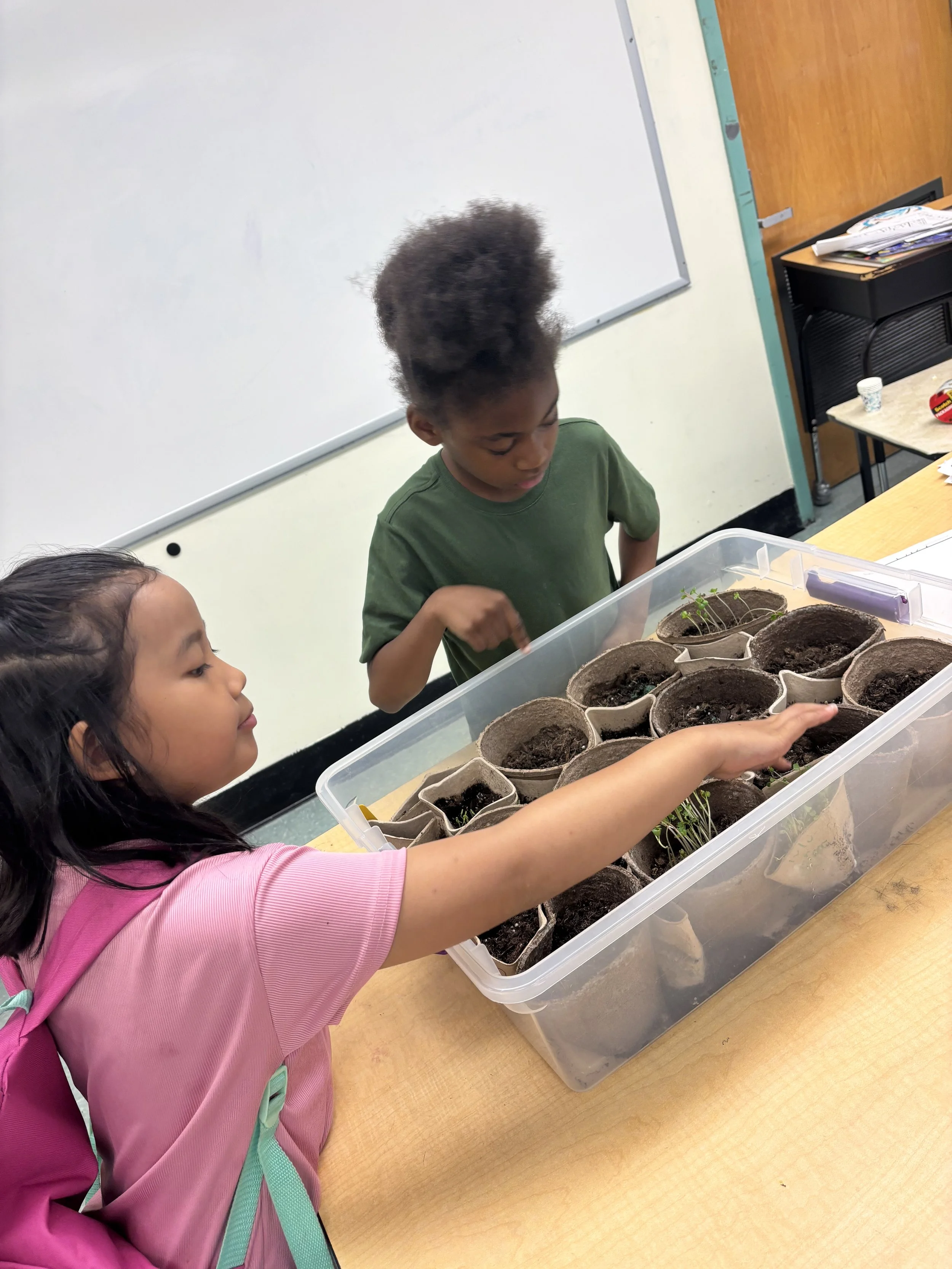
Here are some ways students can help:
1. Reduce, Reuse, Recycle
Use reusable water bottles and lunch containers
Avoid single-use plastics
Recycle paper, glass, and electronics properly
2. Save Energy
Turn off lights and electronics when not in use
Use energy-efficient devices
Advocate for energy-saving policies in your school
3. Conserve Water
Take shorter showers
Fix leaks at home
Turn off the tap while brushing your teeth
4. Get Involved
Join or start an environmental club
Participate in clean-up events
Educate friends and family about sustainability
5. Think Critically
STEM skills are essential for solving environmental problems. Ask questions like:
How can we design better renewable energy systems?
What materials can replace plastic?
How can cities become more sustainable?
STEM and the Future of Sustainability
Science, technology, engineering, arts, and math (STEAM) play a huge role in achieving sustainability goals. Engineers design wind turbines, scientists study climate patterns, and technologists create smarter energy systems.
Some exciting STEM innovations include:
Solar panels becoming more efficient and affordable
Electric vehicles reducing emissions
Vertical farming saving space and water
Biodegradable materials replacing plastic
As a student, you could be part of the next generation of innovators solving these challenges.
Looking Ahead
Sustainability is not just a global issue, it’s a personal one. The choices you make every day, from what you eat to how you travel, all contribute to the bigger picture.
The future of our planet depends on people who are informed, curious, and willing to take action. By learning about sustainability goals now, you’re already taking the first step.
So ask questions. Stay curious. And remember, building a sustainable future starts with you!
To learn more about STEAM Ahead and our partnership with the Massachusetts Clean Energy Center, visit us at www.westeamahead.org/cleanenergy